Reaction Chart C
As I have Said before, the first rule of designing a random table is never gamble with what you aren't willing to lose. The gamble with this chart (reaction Chart C) is that it might force people to pretend to fall for things they may not believe worthwhile for their time. On the other hand, this is conceding power at the table from the Gm being a final arbiter to obeying a chart.
I also think that over a long time, gaming groups may become complacent bored or predictable. Thus, by adding this chart when the Players want to trick/deceive someone it removes the "mother may I?" aspect of deciding how illusions and other tricks are adjudicated.
Of course, this chart shouldn't be automatically used. Instead, it should be used when there is no instant answer as to how an NPC is expected to react to the situation. Especially when the GM isn't ready with an interesting response for the character in question.
warning it may reduce predictability and complacency and I am perfectly willing to lose predictability and complacency when i gamble with results.
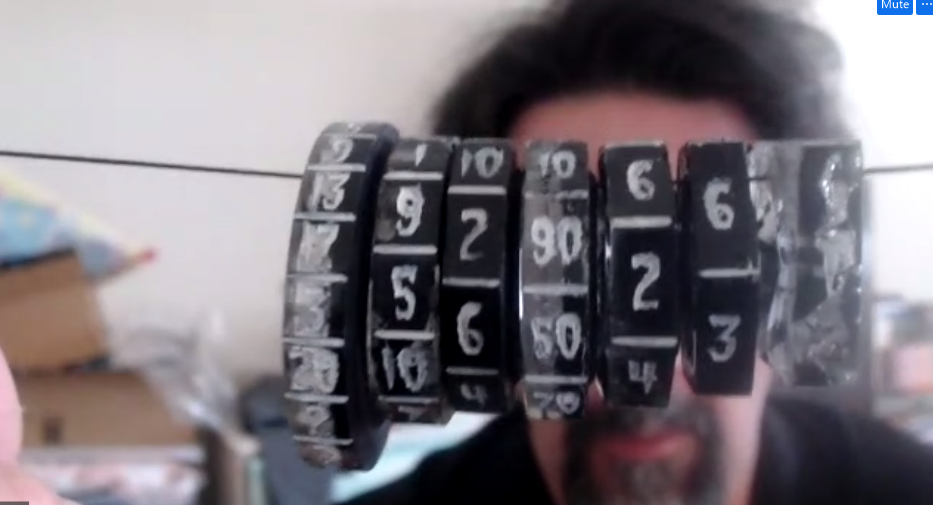
Chart C (NPC Deception Reaction Roll)
Use 1d10+1, add +1 for positive modifiers and -1 for negative modifiers. (which is why I made it look like a d12 system, but we are really using a d10).
1 Fool me Once: The monster tries to play along. It (the deception) hasn't worked on them and this result doesn’t negate any alterations to physical reality (Like a projectors ability to generate solid appearing objects, the target still cannot see through them) But the Monster is trying to kow tow to the player in order to try to surprise/ambush the player character (perhaps turning the tables). If rolls are needed this is a 2xBrains (Or manipulate/lie+ Brains) roll to figure out enough to play along vs. Detect lie + Perception (For the player to see things are off).
2 Opposites React: The event causes a reaction but it is the opposite of the intended outcome. Deception instead raises suspicion, trying to tempt makes the target dislike the tempter, attempts to intimidate makes the NPC resolute, etc…
3 Confused: On this result the monster is confused, something is a little off, which could be explained by the magic character believes that there is a foot and tries to do some things to dispel the magic whether or not they are truly effective, but the point is that while the most doesn't know what's going on they also don't know certainly that it's deception thing going on typically this in action as the character tries to figure out what's going on rather than actively wasting effort. Character may choose completely defensive against anything or defenseless against the illusion rather than deal with the problem.
4 Retreat or run away: The illusion is unnerving in some way to the creature encountering the deception of course if this is the Goal, perhaps the character runs in an unintended direction.
5 Aggression: the target tries to attack the deception, or the suspected source of the deception (which may be incorrect). The monster isn't tricked, although this monsters nature should be calculated into this at it's basic level. The monster has essentially determined the illusion is or deception is essentially Wicked/evil. Maybe it doesn't smell or taste right? it is also possible they have some usual sense or they seem unaffected by the deception, which just isn't getting pulled off right today.
6 Short term Fooled. In this case, the person encountering the deception or trick is deceived only for a very brief time. If the deception is mediocre or has low effort put into the trick it will only last for 1d5 segments if it is a high-quality well invested or interesting entertaining deception it works for 1d10 segments.
7 Fearmonger: the target acts as if successfully intimidated. Including the next game mechanical step being the character runs away. But the main effect is that the illusion is discarded as not a part of reality. It just simply fails to work and the creature doesn't care who knows whether or not they know it works. The character may also try to convince others the illusion doesn't work within their understanding.
8 Cautious Curiosity: is this result it doesn't particularly lower the creatures defensive but it does distract the character or draw in an initial interest (think as if a Matryoshka investigation was being started by the NPC), if the operating character builds deeper or have built deeper this can be aided by on the fly alterations by the responsible PC for the situation if possible.
9 Unguarded: Although still suspicious the character has dropped much of their guard. They may only use their Luck Defense and wont use any social abilities, especially active ones to dispute the situation.
10 Distracted: the character is fascinated at some higher level than expected. The ching.aracter may act dazed or confused so badly anyone observing them may conclude they have been afflicted by something. Not only may they only use their Luck Defense, but this is at a -3 penalty, as is any skills actively attempted to use against the
11 Believer: The character falls for the scam/deception/trick fairly close to what is aimed for. They do not notice any flaws or issues for at least 1 minute plus 1d10 segments. Even if this would last longer than the expected influence duration.
12 Deep Belief: The deception or illusion ties deeply into characters, conscious or subconscious beliefs, resulting from a nearly unbelievable coincidence wherein the illusion will impact heavier or last much longer than expected. This isn't always guaranteed to be good, but the effect has a deep, profound, impact on the receiving character. The character will delay other, even very important needs, in order to continue interacting with the situation. and may even fight with others trying to pull them away from the situation or those denying further interaction through their actions or inaction.